Turning complex London neighbourhood interventions into practical lessons for what comes next
The big challenge
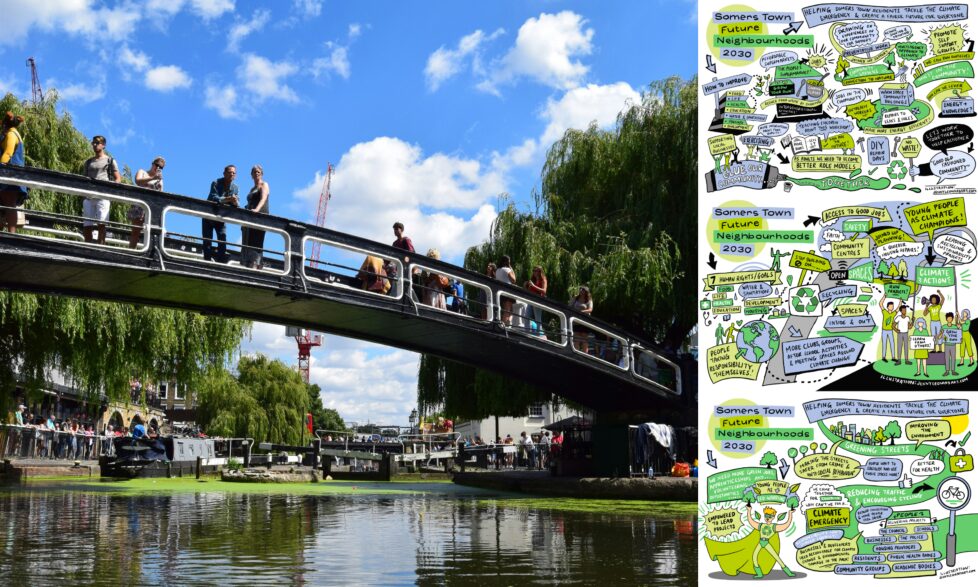
Future Neighbourhoods 2030 was ambitious by design – the full programme covered 12 neighbourhoods located in some of London’s most disadvantaged and climate-vulnerable areas, or where residents are likely to have been severely impacted by the pandemic.
Across the two neighbourhoods we evaluated – Somers Town (London Borough of Camden) and Notting Dale (Royal Borough of Kensington and Chelsea) – the programme combined community-led projects, public sector delivery and cross-sector partnerships to tackle retrofit, greening, energy, circular economy and air quality in parallel. The scale alone was significant - Notting Dale delivered 58 projects across Phases 1-3 and Somers Town delivered 39.
That created a very practical evaluation problem. Success couldn’t be expressed through one simple lens or one consistent dataset. The programme had been measured through evolving KPI frameworks, baseline data was not always available, and much of the Phase 3 reporting was self-reported by project leads. At the same time, many of the most important outcomes - stronger partnerships, better local capability, more confidence to act, better governance and more durable community ownership - were real but not always easy to quantify.
Our challenge was to cut through that complexity without flattening it - capturing what had been delivered, what had enabled it, and what other places could realistically learn from it.
The big opportunities
This was never just a retrospective exercise. The commission was also designed to support legacy and replicability - not simply to assess what had happened in Somers Town and Notting Dale, but to help other neighbourhoods build on the model.
That created a bigger opportunity for us. We could help turn a rich and complex body of delivery into something clearer and replicable - surfacing the practical ingredients that make area-based climate action work, from co-design and governance to stakeholder engagement, behaviour change and more proportionate monitoring.
In other words, this was a chance to do what we do best - bring structure to complexity, keep people at the heart of the process, and turn learning into practical next steps.
Our people-shaped support
Our role went well beyond writing up findings. We were commissioned as part of a wider consortium to support evaluation, capacity building, legacy and replication - with objectives including evaluating project delivery, training and upskilling partners, identifying best practice and systematising lessons around governance, collaboration and fundraising.
We used a mixed-method approach, combining quantitative analysis where KPI data was consistent with qualitative insight from interviews and final project reports. Between October 2025 and February 2026, Bioregional and PRD interviewed Phase 3 project leads to understand achievements, human impact, success factors, challenges and lessons learned beyond the numbers alone.
We also helped strengthen the programme’s evaluation capability. The commission included training and upskilling for programme partners, project leads and community organisations, while our wider approach focused on turning shared reflection into usable outputs - including practical guidance, tools and case studies that others can apply.

The big impact
This work helped ensure Future Neighbourhoods 2030 leaves behind more than a set of finished projects. The final evaluation report brings together programme-wide findings, recommendations and cross-cutting lessons, while the accompanying toolkit was created specifically to support local communities and boroughs to set up and deliver their own place-based, community-led climate action projects in the spirit of the FN2030 approach.
The programme showed real delivery alongside real complexity. Across both neighbourhoods in Phase 3, the evaluation identified significant outputs, including:
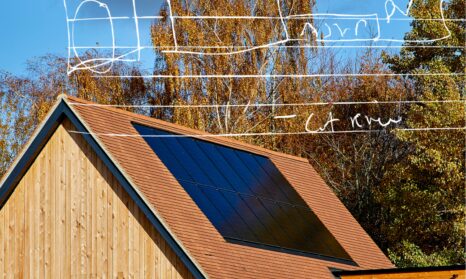
- 69 buildings retrofitted,
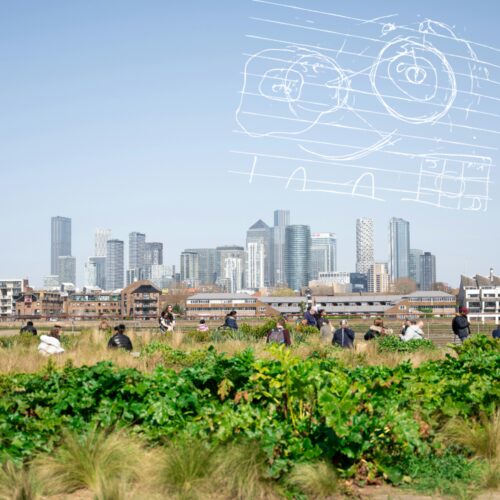
- 6,694 m² of publicly accessible green space delivered,
- 3,260 m² of green cover created,
- 2,500 m² of canopy cover created,
- and 210 bicycles and 28,000 kg of waste kept from landfill.
But just as importantly, it highlighted the conditions that help this kind of work stick - co-designed strategy, embedded coordination, realistic governance, stronger partnerships, and monitoring approaches that are useful rather than burdensome.
The result is a stronger evidence base, a clearer set of practical lessons, and a more usable blueprint for future neighbourhood-scale climate action.
“Bioregional invested time in understanding the evaluation challenges and tailored their approach to make the most effective use of available monitoring data. Their work helped us gain a deeper understanding of the programme’s impacts and provided valuable recommendations on models and frameworks that could support the replication of the Future Neighbourhoods area-based approach in other contexts.”

Carlos Queremel
Future Neighbourhoods Project Lead, Camden Council
You've found your people
We're here to tackle planet-sized sustainability goals. So if you've got big plans, you’ve found your people.
-
Brilliantly business-literate
-
Collaborative and flexible
-
We make it easy

Thank you
We'll be in touch within two working days