Lessons from Accra

Despite being over 3,000 miles apart, local authorities in Ghana face many of the same built environment challenges as they do in the UK. So, what are they, and how can we tackle them?
Our journey to Accra
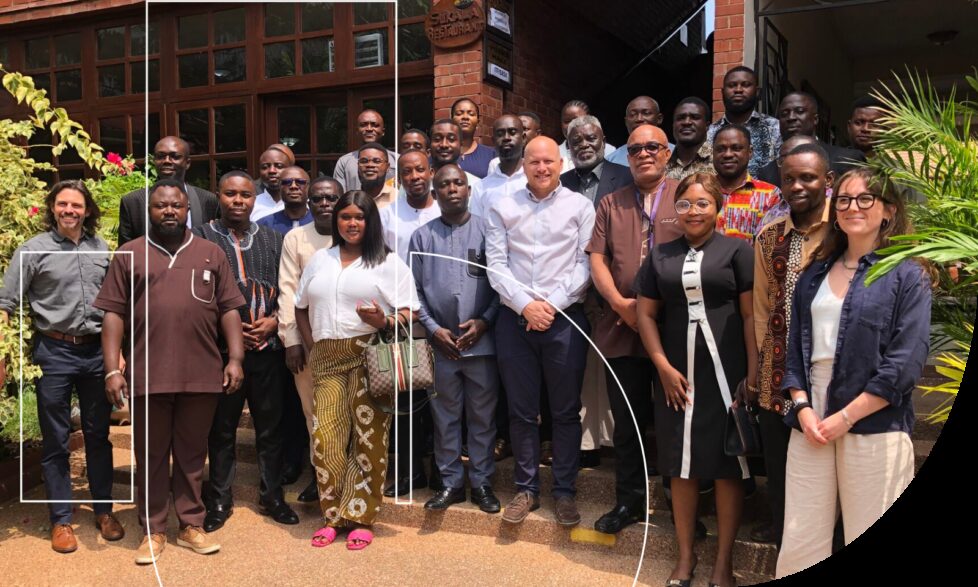
In July, we were excited to be invited to Accra to deliver a two-day training programme to Ghana’s Energy Commission and other built environment professionals. This formed part of our ongoing work with the United Nations Environment Programme and UN-Habitat, which has also taken us to Senegal, India and Bangladesh.
The training programme, 'Sustainable Building Initiative: Paving the way for greater energy efficiency and sustainability in buildings', aimed to give participants an in-depth introduction to energy-efficient and sustainable building design.
Designing for a different climate
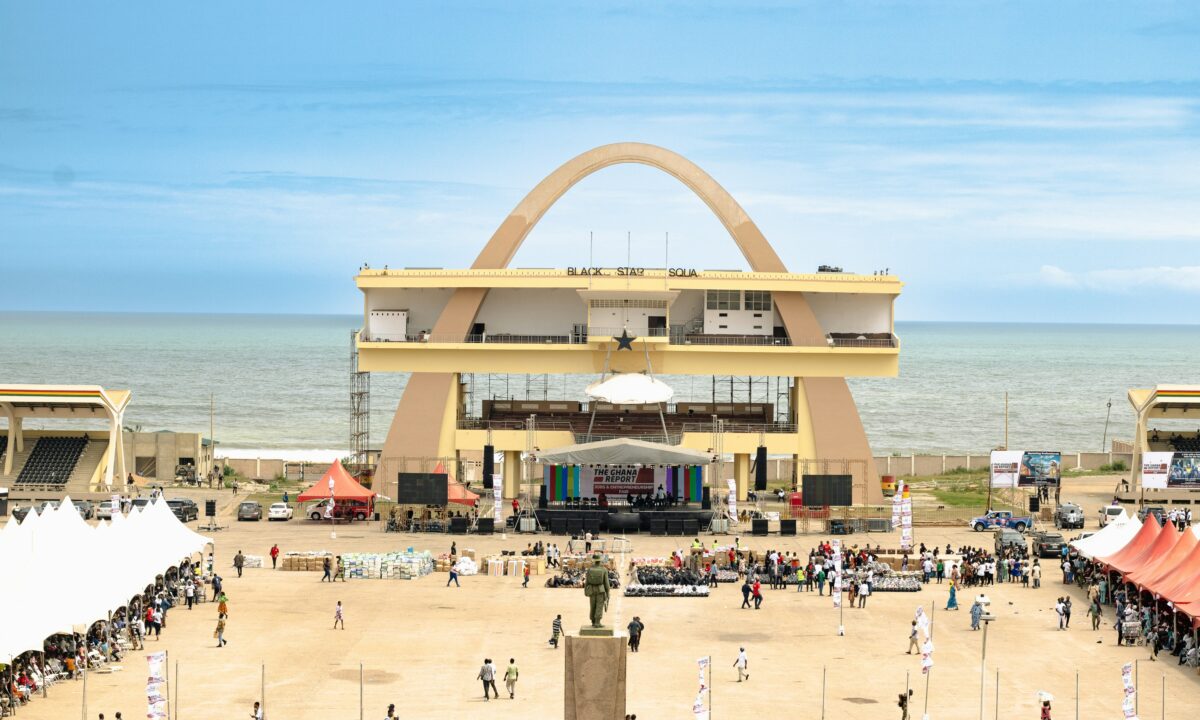
It was fascinating to dive into this topic in a geographical context so different to the one in which we’re used to working. While we enjoyed the novelty of the tropical climate in Ghana compared to the humid, temperate climate we’re used to in the UK, it comes with its own challenges. Energy efficiency in this context is much more about keeping heat out of buildings, rather than keeping it in. Passive design, shading and natural ventilation are all crucial strategies to passively cool buildings and reduce the need for energy-intensive air conditioning.

The issue of extreme heat is only becoming more urgent as temperatures in Ghana increase and urban populations continue to grow. We were deeply aware of the UK’s historical responsibility for the climate crisis, in stark comparison to Ghana, which contributes only 0.1% to global CO2 emissions. We also reflected on the shameful history of the UK’s colonial occupation of Ghana between 1874-1957. As analysis by Carbon Brief has revealed, the UK is responsible for an estimated 5.1% of cumulative historical emissions, nearly twice as much as previously thought, due to its colonial history in countries like Ghana and elsewhere.
What we learned
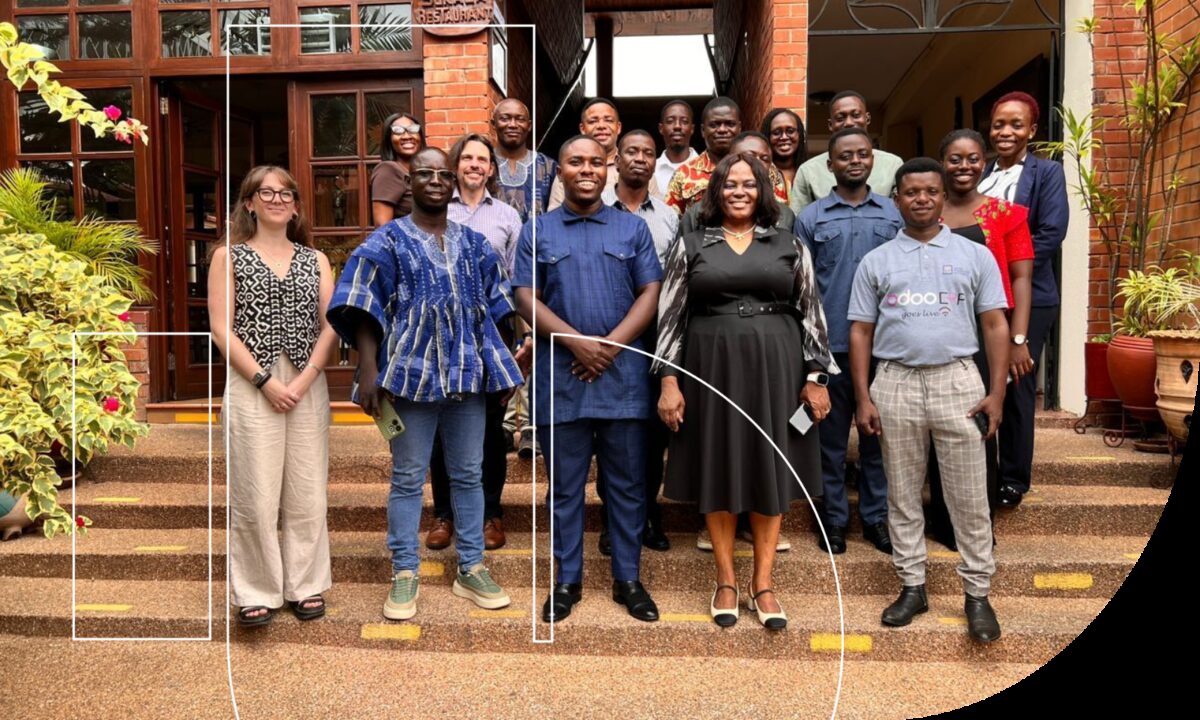
We reflected on our role as trainers in this context and took our opportunity to learn from the delegates. What we discovered was that while many of the issues Ghanaians face in delivering more sustainable buildings are specific to the local context, some of the broad themes are similar to those we experience in the UK:
- Skills and knowledge gaps: Local governments lack technical knowledge and expertise (such as architects) to be able to thoroughly assess building designs and energy calculations, meaning developers often get away with subpar buildings.
- Planning policy is dense, unclear and not properly enforced: Ghana’s Building Code is dense and technical (and a whopping 1,700 pages long!), meaning it is not properly understood and enforced.
- Lack of coordination and collaboration: Local and national governments and institutions work in silos, meaning policy and practice are not joined up.
- Social and economic benefits are not understood: The climate crisis is an abstract issue. Developers need to understand that there are social and economic benefits to sustainable buildings.
Shared challenges, shared solutions
These issues echo some of the barriers we face in the UK, and our work with local authorities tackles similar themes by:
- Delivering training and upskilling in technical sustainability topics to council officers
- Supporting planning application reviews by providing expert energy, carbon and circular economy advice
- Developing net-zero local plan policies, evidence bases and technical guidance documents such as Supplementary Planning Documents and validation checklists
Our experience in Ghana reinforced a simple truth: sustainable development is a global challenge, but collaboration and knowledge-sharing can drive real change.
Learn more about our people-shaped support for local authorities here.